+91 95000 27976
 info@drragavanandamortho.in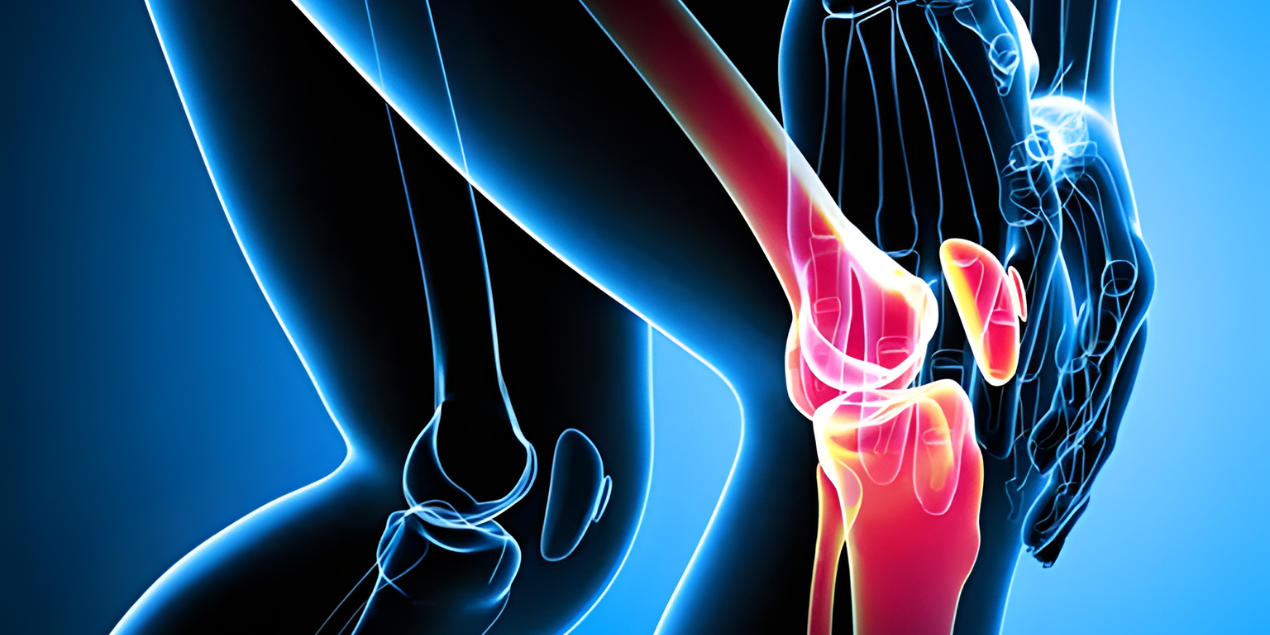
I’m Dr. Ragavanandam Ramalingam, MBBS, MS (Ortho), DNB (Ortho), and through this guide, I want to speak to you not as a medical textbook—but as your orthopedic doctor who understands your daily struggles with pain, stiffness, injuries, and movement problems.
Bone and joint issues don’t always start with a dramatic injury. Often, they begin silently—with mild discomfort, ignored pain, or stiffness that we brush off as “normal ageing.” Over the years, I’ve seen many patients in North Chennai delay treatment until their condition becomes severe. This guide exists so you don’t make that mistake.
If you’re searching for the Best Orthopedician in North Chennai, this guide will help you understand:
- How your bones and joints really work
- Early warning signs you should never ignore
- When treatment is simple—and when delay makes it complex
- How modern orthopedic care has evolved
- How to protect your bone health at every age
Let’s begin.
Understanding Your Bones & Joints – More Than Just a Skeleton
Most people think of bones as hard, lifeless structures that simply hold the body together. In reality, your bones are living, dynamic tissues that are constantly working to support your health, movement, and overall wellbeing.
✔ Your bones are continuously regenerating
Old bone tissue is broken down and replaced with new tissue throughout your life. This process keeps bones strong, adapts them to stress, and repairs minor damage. When nutrition, hormones, or activity levels are poor, this regeneration slows down—leading to weak or fragile bones.
✔ Your bones store essential minerals
Bones act as a mineral bank, storing calcium and phosphorus that your body releases when needed. If your dietary intake is low, the body pulls minerals from the bones, gradually weakening them without obvious early symptoms.
✔ Your bones protect vital organs
The skull protects the brain, the rib cage shields the heart and lungs, and the spine safeguards the spinal cord. Damage to these bones doesn’t just cause pain—it can affect critical body functions.
✔ Your bones enable movement
Bones work in coordination with muscles and joints to allow walking, lifting, bending, and gripping. Without healthy bones, even simple daily activities become difficult.
Your Joints: Where Movement Really Happens
While bones provide structure, joints make movement possible. Every joint in your body—whether it’s the knee, hip, shoulder, spine, wrist, or ankle—is a carefully balanced system made up of multiple components.
✔ Cartilage
Cartilage covers the ends of bones, allowing them to glide smoothly over each other. When cartilage wears down, bones begin to rub directly—leading to stiffness, pain, and arthritis.
✔ Ligaments
Ligaments connect bones to each other and provide stability. A ligament injury doesn’t just cause pain; it creates joint instability that can lead to further damage if untreated.
✔ Tendons
Tendons connect muscles to bones, helping transmit force during movement. Overuse, strain, or injury to tendons often causes pain that worsens with activity.
✔ Muscles
Muscles support and protect joints. Weak or imbalanced muscles place excess stress on joints, increasing the risk of injury and degeneration.
✔ Synovial Fluid
This natural joint lubricant reduces friction and nourishes cartilage. Reduced or altered synovial fluid leads to stiffness, especially in the morning or after rest.
Why Pain Begins
When any one of these structures—bone, cartilage, ligament, tendon, muscle, or joint fluid—is injured, inflamed, or degenerates, the body responds with pain.
✔ Cartilage
Cartilage covers the ends of bones, allowing them to glide smoothly over each other. When cartilage wears down, bones begin to rub directly—leading to stiffness, pain, and arthritis.
✔ Ligaments
Ligaments connect bones to each other and provide stability. A ligament injury doesn’t just cause pain; it creates joint instability that can lead to further damage if untreated.
✔ Tendons
Tendons connect muscles to bones, helping transmit force during movement. Overuse, strain, or injury to tendons often causes pain that worsens with activity.
✔ Muscles
Muscles support and protect joints. Weak or imbalanced muscles place excess stress on joints, increasing the risk of injury and degeneration.
✔ Synovial Fluid
This natural joint lubricant reduces friction and nourishes cartilage. Reduced or altered synovial fluid leads to stiffness, especially in the morning or after rest.
Pain is not the disease. Pain is a signal.
It is your body’s way of saying:
- Something is overloaded
- Something is damaged
- Something needs attention
Ignoring pain does not make the problem disappear. Instead, it often allows minor issues to progress into chronic conditions that are harder to treat.
Understanding how your bones and joints work is the first step toward protecting them. The earlier you identify changes, the easier it is to restore movement, reduce pain, and maintain long-term joint health.
Why Orthopedic Problems Are Increasing Today
In my practice as an orthopedician in North Chennai, I see a rising number of patients across all age groups. The reasons are clear:
Sedentary Lifestyle
Long sitting hours, poor posture, and lack of movement weaken muscles and joints.
Mobile & Screen Usage
Neck pain, shoulder pain, and early cervical spine problems are now common—even in people in their 20s.
Improper Exercise
Gym injuries due to poor form, overtraining, or lack of guidance.
Road Traffic Accidents
Fractures, ligament injuries, and long-term joint damage.
Ageing & Degeneration
Natural wear and tear worsened by lack of bone care.
Common Bone & Joint Problems I Treat
As one of the Best Orthopedicians in North Chennai, my approach is not just to treat—but to explain. Here are the most common conditions patients come with:
Knee Pain
- Osteoarthritis
- Ligament injuries (ACL, PCL)
- Meniscus tears
- Patellofemoral pain
Back & Spine Problems
- Slip disc
- Sciatica
- Cervical spondylosis
- Lumbar spondylosis
- Posture-related spine pain
Shoulder Pain
- Frozen shoulder
- Rotator cuff injuries
- Shoulder dislocation
Hand & Wrist Issues
- Carpal tunnel syndrome
- Tendinitis
- Fractures
Foot & Ankle Problems
- Heel pain (plantar fasciitis)
- Ankle sprains
- Sports injuries
When Should You See an Orthopedician?
Many people believe they should see an orthopedician only after severe pain. This is a myth.
You should consult an orthopedician if:
- Pain lasts more than 7–10 days
- Pain increases instead of improving
- Swelling or stiffness limits movement
- Pain wakes you up at night
- You feel instability or weakness
- You’ve had a fall or accident
- Pain keeps coming back
Early consultation often means simple treatment.
Delay often leads to surgery you could have avoided.
Bone Health at Every Age – A Doctor’s Perspective
Children & Adolescents
- Growth plate injuries
- Sports-related fractures
- Postural issues
Early correction prevents lifelong problems.
Adults (25–45 years)
- Work-related back and neck pain
- Ligament injuries
- Early arthritis due to stress and lifestyle
This is the most neglected age group.
Older Adults (45+ years)
- Osteoarthritis
- Osteoporosis
- Joint degeneration
- Balance issues and fractures
Preventive orthopaedic care is crucial here.
Modern Orthopaedic Treatment – Not Everything Needs Surgery
One thing I always tell my patients: “Surgery is never the first option—it’s the last.”
Non-Surgical Treatments Include:
- Medication optimisation
- Physiotherapy
- Lifestyle correction
- Weight management
- Joint injections
- Bracing and supports
When Surgery Becomes Necessary:
- Severe joint damage
- Complete ligament tears
- Fractures not healing properly
- Nerve compression
- Loss of function
When Surgery Becomes Necessary:
- More precise
- Minimally invasive
- Minimally invasive
- Safer than ever before
- Loss of function
- Severe joint damage
- Complete ligament tears
- Fractures not healing properly
- Nerve compression
- Loss of function
Why Accurate Diagnosis Matters in Orthopedics
Treating bone and joint problems without proper diagnosis is dangerous.
As an orthopaedic specialist, I rely on:
- Detailed clinical examination
- X-rays
- MRI scans
- CT scans (when required)
- Functional movement analysis
- Bracing and supports
Pain location does not always indicate the problem source. For example:
- Knee pain may come from the hip
- Arm pain may originate from the neck
- Heel pain may be due to back issues
This is where experience matters.
Sports Injuries – Early Care Makes the Difference
Whether you’re a professional athlete or a weekend player, sports injuries need proper care.
Common sports injuries include:
- Ligament tears
- Muscle strains
- Stress fractures
- Tendon injuries
Ignoring sports injuries leads to:
- Chronic pain
- Repeated injuries
- Early arthritis
Proper rehabilitation is as important as treatment.
Bone Health Myths I Hear Every Day
Let me clear a few common myths:
Pain is normal as you age
Pain is common, but not normal
Surgery is unavoidable
Many conditions improve without surgery
Exercise worsens joint pain
Exercise worsens joint pain
Cracking joints is dangerous
Usually harmless if painless
Why Accurate Diagnosis Matters in Orthopedics
Your daily habits decide your bone health.
Simple changes that help:
- Correct posture
- Regular stretching=
- Strength training
- Adequate calcium & vitamin D
- Weight control
- Proper footwear
Small steps today prevent big problems tomorrow.
Why Patients Trust Me as the Best Orthopedician in North Chennai
Patients often ask why outcomes differ between doctors. The answer lies in:
- Experience
- Ethical decision-making
- Clear communication
- Individualised treatment
- Focus on long-term results
I believe in educating patients, not frightening them.
Preventive Orthopaedics – The Future of Bone Care
The future of orthopedics is prevention:
- Early screening
- Posture correction
- Strength balance
- Bone density assessment
- Injury prevention programs
Waiting for pain is outdated. Prevention is powerful.
Final Words from Your Orthopedic Doctor
Bone and joint problems don’t have to decide how you live your life. Pain, stiffness, or movement difficulty is not something you should “learn to live with.” With the right medical guidance, timely care, and a proper understanding of what your body is going through, most orthopedic problems can be managed, treated, and often completely relieved.
When you address bone or joint issues early, treatment is usually simpler, recovery is faster, and your quality of life improves significantly. Whether it’s knee pain, back discomfort, shoulder stiffness, or an old injury that never healed properly—help is available, and improvement is possible.
If you’re searching for the Best Orthopedician in North Chennai, remember that good orthopedic care is not just about prescriptions or procedures. It’s about:
- Listening carefully to your concerns
- Explaining your condition in a way you can understand
- Choosing the right treatment—not the quickest one
- Focusing on long-term movement, strength, and comfort
Your bones and joints quietly support you through every step you take, every task you perform, and every moment of movement in your day. They work for you without complaint—until they need attention.
Now is the time to return that care.
Look after your bones today, seek the right advice when pain begins, and give your body the support it deserves—so you can continue to move confidently, stay active, and enjoy life without limitations.
AUTHOR:
Dr. Ragavanandam Ramalingam, MBBS, MS (Ortho), DNB (Ortho)
Ortho and Spine Specialist